

The Evolution of Network Support Services
Network support services have evolved significantly. Businesses rely on their networks for connectivity, security, and efficiency, making robust network support an essential part of IT infrastructure. From the break-fix model of the past to AI-driven, proactive network management, support services have transformed to meet modern demands.
We will explore how network support services have evolved over time, highlighting the advancements, benefits, and future trends that businesses need to know.

The Early Days: Break-Fix IT Support
1. Manual Troubleshooting & Reactive Support
In the early days of business networking, support was primarily reactive. IT professionals only responded when something broke—hence the term “break-fix” support.
✔ Businesses had in-house IT staff or third-party technicians who would troubleshoot issues manually.
✔ Common problems included hardware failures, slow connections, and misconfigured routers.
✔ No real-time monitoring—issues were often reported by end-users after causing downtime.
While this model worked for small networks with minimal infrastructure, it led to frequent disruptions and costly downtime for businesses as networks expanded.
2. On-Premise Servers & Hardware Dependence
Before cloud computing, businesses relied on on-premise servers and networking equipment.
This meant:
✔ High costs for hardware, maintenance, and IT staff.
✔ Limited scalability, requiring businesses to buy new hardware when they grew.
✔ Physical troubleshooting, as IT teams had to diagnose hardware issues on-site.
Businesses had no choice but to wait for IT professionals to resolve problems, making operations highly inefficient.
The Rise of Managed Network Support Services
1. Proactive Monitoring & Remote Support
The break-fix model began to change with the rise of Managed Network Services in the early 2000s. Businesses started outsourcing their IT needs to Managed Service Providers (MSPs) who could:
✔ Remotely monitor network health in real-time.
✔ Detect issues before they caused downtime using proactive maintenance.
✔ Provide 24/7 support, reducing dependency on in-house IT teams.
Remote troubleshooting became a game-changer, allowing businesses to resolve network issues faster without requiring physical intervention.
2. Cloud Computing & Virtualization
The adoption of cloud computing revolutionized network support:
✔ Businesses migrated from physical servers to cloud-based solutions like AWS, Azure, and Google Cloud.
✔ Virtualized networks reduced dependency on on-premise infrastructure.
✔ IT teams could manage networks remotely, reducing overhead costs.
Instead of maintaining physical hardware, businesses could scale up or down instantly, paying only for the resources they needed.
3. Automated Network Management
Advancements in automation tools helped businesses:
✔ Schedule routine updates and security patches.
✔ Automate network performance monitoring to detect bottlenecks.
✔ Reduce manual IT workload, improving efficiency.
Example: A retail business with multiple locations could use a centralized, cloud-based dashboard to monitor and troubleshoot network performance across all stores without an on-site IT presence.
The AI & Security Revolution in Network Support
1. AI-Powered Network Optimization
Today, AI and machine learning are transforming network support services. AI-driven tools can:
✔ Predict and prevent network failures using historical data.
✔ Automatically optimize network traffic to reduce congestion.
✔ Diagnose issues instantly and suggest solutions without human intervention.
Example: AI-driven Network Performance Monitoring (NPM) tools like Cisco AI Analytics or AIOps can automatically detect anomalies and adjust bandwidth allocation in real-time.
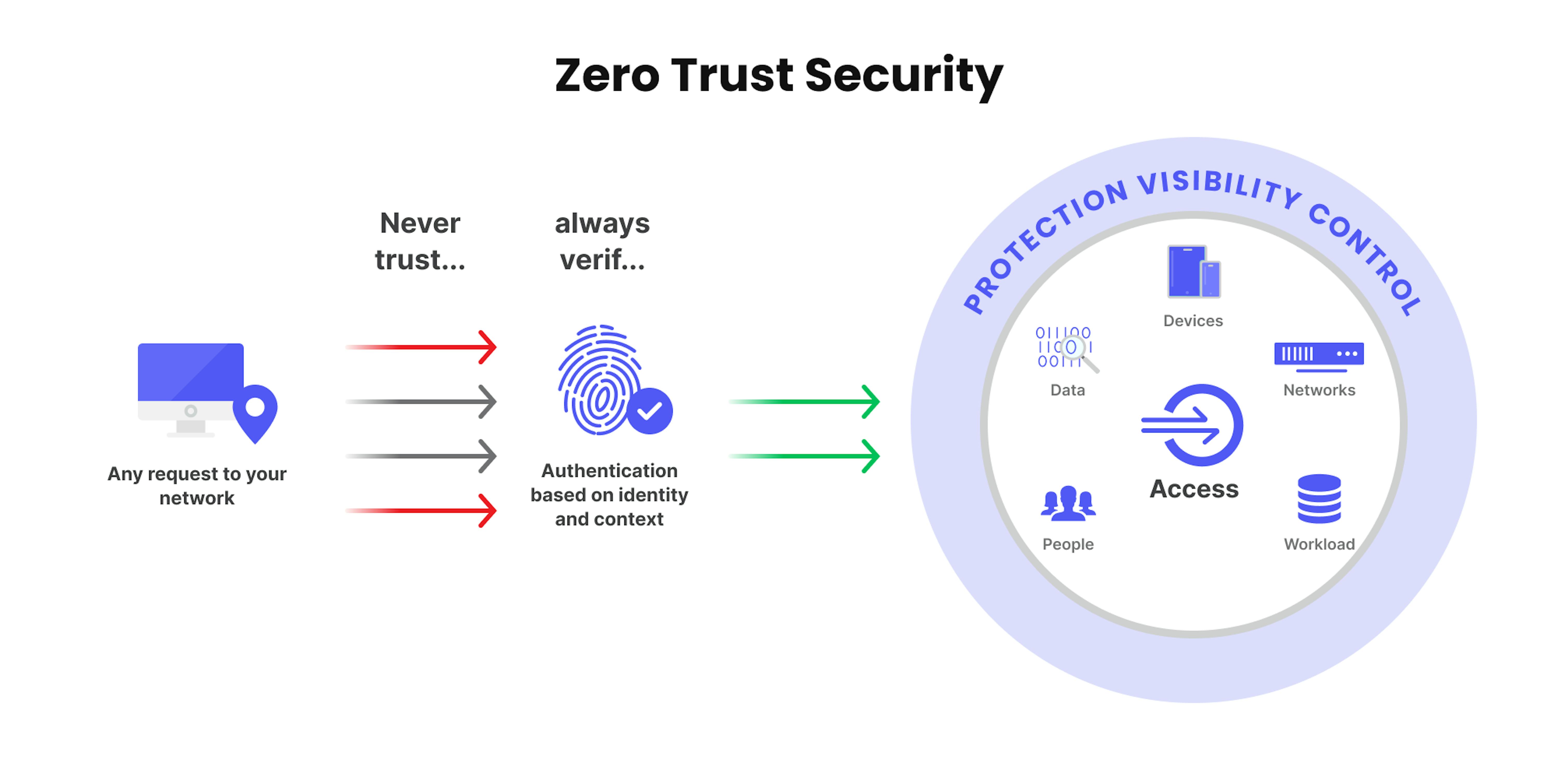
2. Cybersecurity & Zero Trust Networks
With rising cyber threats, network security has become a top priority for IT teams. Modern network support includes:
✔ Zero Trust Security – Every device and user must be authenticated before accessing resources.
✔ AI-powered threat detection – Identifying suspicious activity before it causes harm.
✔ Automated security updates – Preventing vulnerabilities in real time.
Instead of just fixing security breaches, today’s network support services proactively protect against cyber threats before they happen.
3. SD-WAN & Edge Computing
As businesses expand remote workforces and global operations, Software-Defined Wide Area Networks (SD-WAN) and edge computing improve:
✔ Remote connectivity by dynamically routing traffic for optimal performance.
✔ Application performance by processing data closer to the user (edge computing).
✔ Cloud security by segmenting and encrypting network traffic.
Example: A multinational company can use SD-WAN to connect global offices securely, reducing latency and improving cloud application access.

The Future of Network Support Services
1. Predictive Analytics & Self-Healing Networks
The future of network support is self-healing networks that:
✔ Predict network failures and take corrective action automatically.
✔ Adjust bandwidth allocation dynamically based on usage patterns.
✔ Provide intelligent recommendations to IT teams for optimization.
Instead of waiting for problems to arise, networks will fix themselves in real time using AI and automation.

2. 5G & Next-Gen Connectivity
The rollout of 5G networks will:
✔ Enable faster remote troubleshooting and real-time support.
✔ Improve IoT (Internet of Things) connectivity, making businesses more automated.
✔ Reduce latency, enhancing cloud computing and AI applications.
Businesses will need network support providers who can optimize 5G-enabled infrastructure for peak performance.
3. Fully Autonomous IT Support
The final step in network support evolution is full autonomous IT management, where:
✔ AI-driven bots diagnose and resolve issues automatically.
✔ Predictive algorithms suggest cost-saving improvements.
✔ Businesses can operate IT environments with minimal human intervention.
As AI technology advances, businesses will reduce IT costs and increase efficiency by automating network management entirely.
.jpeg/jcr:content/renditions/cq5dam.web.1280.1280.jpeg)
Network Support Has Evolved—Is Your Business Keeping Up?
The evolution of network support services has transformed IT management from reactive troubleshooting to proactive, AI-driven optimization.
What’s Next?
Businesses that embrace modern network support services will reduce downtime, improve efficiency, and enhance security. If your business is still relying on outdated IT support models, now is the time to upgrade to an AI-driven, automated network management solution.
Ready to optimize your business network? Contact DAG Tech today!

Related reading: Co-Managed IT Services · Private Equity IT Services · Clarity IT for Retail IT Support